
Chilled
Multideck walls
Dairy, juice and ready meals on open decks. Highest turnover, highest stakes, and the first place a fan-bank fault shows.
Whole aisles depend on it
One warm multideck isn't one broken fridge, it's twelve metres of dairy on a countdown. We repair supermarket case lineups across Gauteng, from single plug-ins to remote-fed walls, and we plan the work around your tills. We repair every major brand, including Defy, Samsung, Hisense, KIC and Bosch, with same-day call-outs across Bryanston, Boksburg, Johannesburg and the wider Gauteng metro.
Think in metres, not units
When a café fridge dies, somebody moves the milk. When a multideck dies, there is nowhere to move twelve metres of milk, yoghurt, butter and ready meals, and the write-offs leave the building by the trolley-load. That's the defining fact of supermarket refrigeration: it doesn't fail by the unit, it fails by the metre, and every metre is rented out to stock that has to keep selling.
Scale changes the engineering, too. Cases in a lineup share air curtains, drains, control wiring and often a remote compressor rack, so one iced sensor or one dying fan bank doesn't stay polite and local, it drags its neighbours down the line with it. Add Gauteng's trading rhythm, where weekend peaks and month-end queues can double a store's footfall, and a Thursday-afternoon niggle becomes a Saturday-morning catastrophe with a paper trail.
We repair across that whole spectrum: township superettes running a handful of hard-working plug-ins, franchise floors with remote lineups and plant rooms, and everything between, from Johannesburg and Midrand out to Roodepoort and Kempton Park. Most case-level faults are fixed same-day. The call-out fee is quoted when you book, and you see a written quote before any work begins. Independent owners get the same response as the franchise floors, a superette's two metres of dairy matter as much to that business as a hypermarket's forty.
Know your lineup
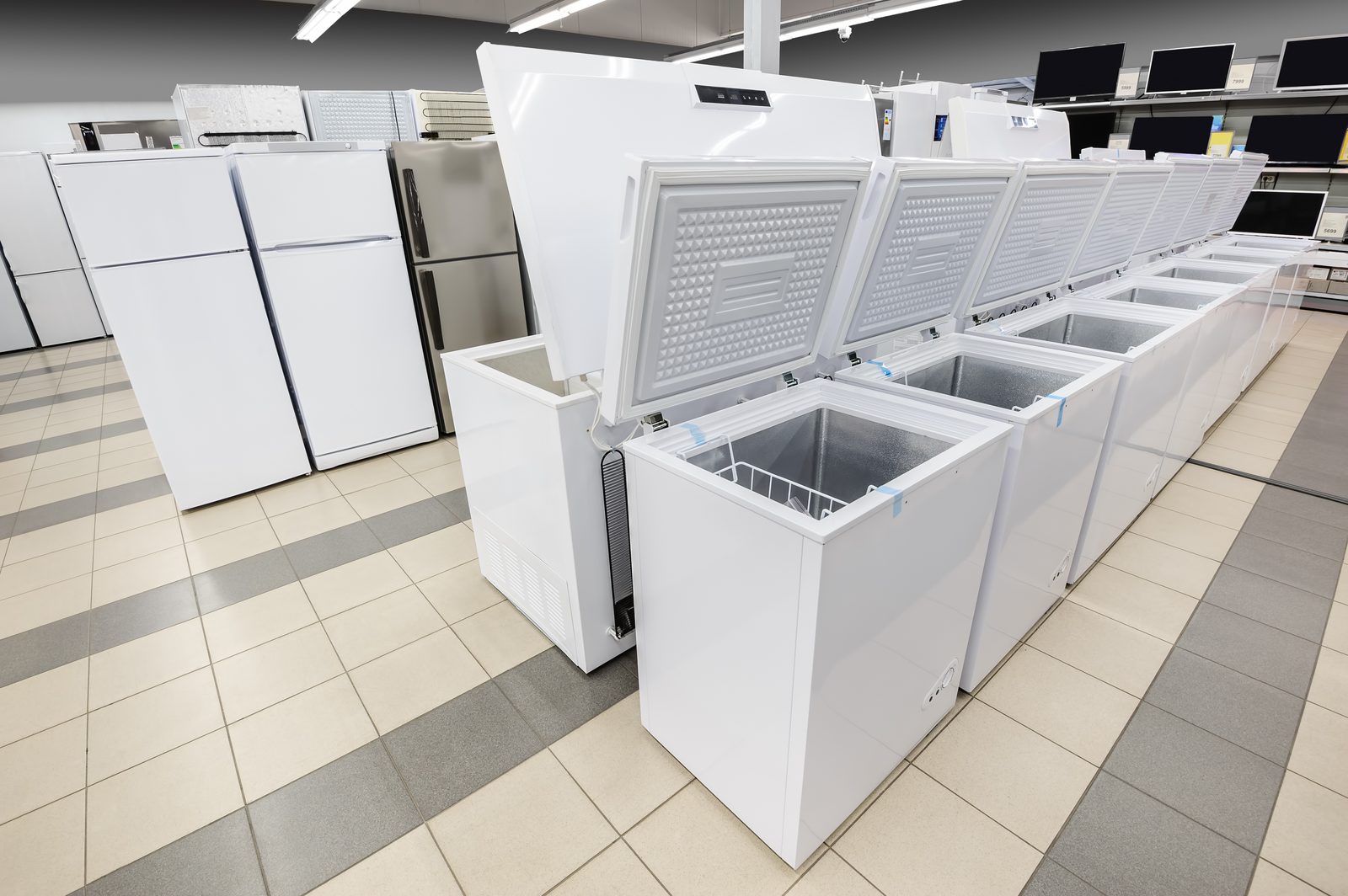
A modern store floor runs five families of refrigeration: multideck walls for dairy and chilled lines, island and coffin freezers down the centre aisles, glass-door freezer banks, serve-over counters at the deli and butchery sections, and the impulse coolers crowding the tills, close cousins of the display fridges we repair every week. The glass-top chest islands by the entrance have their own page too: commercial chest freezer repairs. We service the lot, here's where each one earns its keep and how it tends to fail.
Dairy, juice and ready meals on open decks. Highest turnover, highest stakes, and the first place a fan-bank fault shows.

Centre-aisle workhorses for frozen veg, chips and novelties. Defrost faults and tired lid seals are the usual suspects.
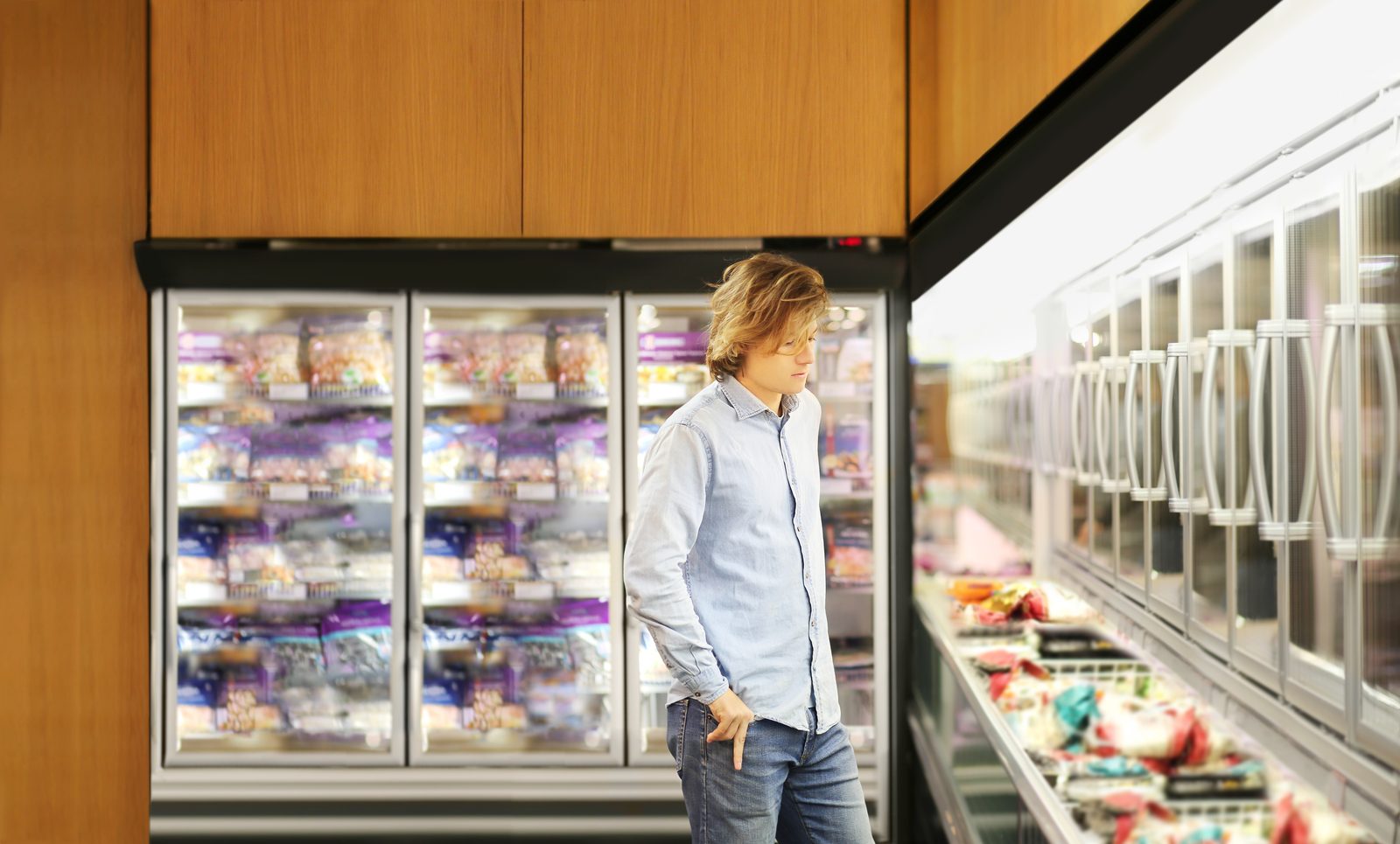
Efficient and tidy, until anti-sweat heaters fail and fogged doors hide the stock customers came for.

Deli counters, butchery cases and the drinks fridges at checkout, small units with outsized impulse revenue.
Two architectures
Every supermarket case belongs to one of two worlds. Plug-in (integral) cases carry their own complete refrigeration system, compressor, condenser, the works, and just need a socket. Superettes love them: simple, movable, and when one fails, the failure stays in that cabinet. The trade-off is that every plug-in dumps its condenser heat straight into your aisle and inhales floor-level dust all day, which is why their condensers need cleaning far more often than anyone does it.
Remote cases keep the cold-making machinery in a plant room: a compressor rack feeds refrigerant through pipework to whole lineups, and each case is essentially a smart endpoint with valves, fans, sensors and a defrost schedule. Bigger stores run on this architecture because it's quieter, cooler on the floor and more efficient, but it means a single plant fault can put every connected metre at risk at once. We repair at case level on both systems and service the condensing units behind smaller remote setups; for multi-compressor rack plant and process-scale systems, our industrial refrigeration team takes over.
One Gauteng-specific wrinkle worth knowing: generator change-overs. When the store flips to backup power, every plug-in tries to restart at once and remote racks re-stage their compressors, and a lineup that always "trips the generator" usually has a case-level fault hiding in that surge. If your change-overs have become a lottery, tell us; it's diagnosable.
Read your cases
Frost where frost shouldn't be, iced coils, frozen sensors, snow-bearded evaporators, has a page of its own: see freezer ice build-up, then call us with what you've found.
Listen to the shop
Long before a controller alarms, the shop has noticed. The mop bucket has taken up permanent residence at the end of aisle three. The merchandiser has started stacking around a warm patch without being told. Somebody wipes the same fogged door every hour out of habit. The till hears its third soft-ice-cream complaint of the week, and the night blinds on one lineup stay up "because they stick". None of these reach a manager's report, all of them are diagnoses. If the same case shows up twice in a week's incident book, that's not bad luck; that's a fault with a paper trail. The trick is treating those observations as data, a two-line WhatsApp from the floor manager saying which case, what symptom and what time of day is often enough for us to arrive carrying the right part.
Here's the sensible split between what your team handles and what needs a technician. Staff territory: keep stock under the load lines, pull blinds at close, keep vents and return grilles clear, wipe gaskets, and report patterns instead of working around them. Our territory: anything involving refrigerant, wiring, controllers, sensors or setpoints. Twiddling a case controller to "make it colder" is the most common self-inflicted wound in retail refrigeration, it masks the fault, ices the coil and turns a small repair into a weekend write-off. Note the symptom, leave the settings, call it in.
When it can't wait
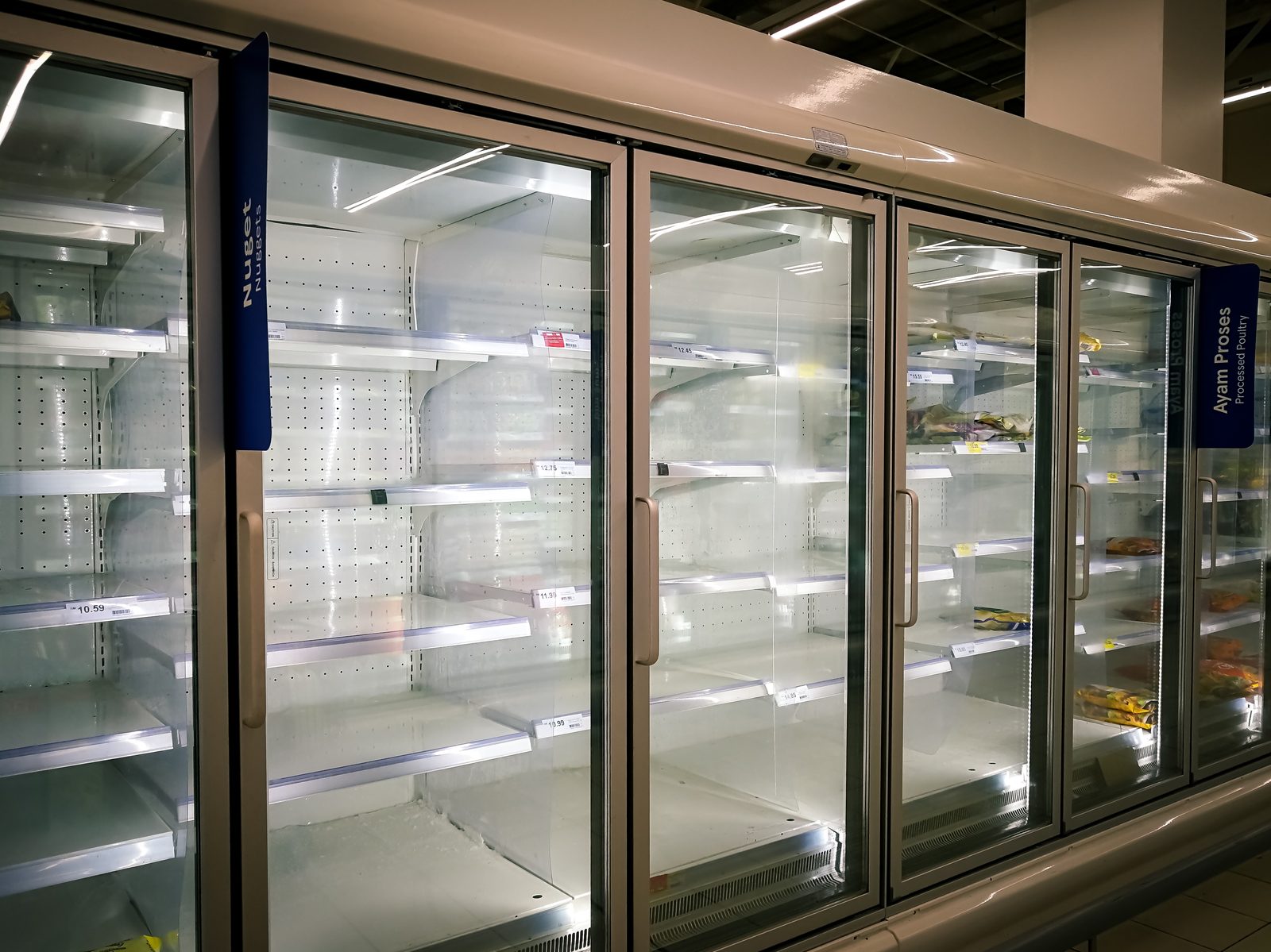
Frozen and dairy are anchor stock, the lines customers build a whole trip around, and they fail loudest on the days you trade hardest. If a wall goes warm at 07:00 on a Saturday, work the sequence: blinds down over the affected lineup, glass doors shut and kept shut, then consolidate the most vulnerable product into working cases or the back cold room, leaving space for air to move around it. Note the time you found it and the product temperatures as you go, that log matters to your insurer and your franchise auditor alike.
Then call us and say the words "stock at risk". That phrase moves you to the front of the queue: priority dispatch, triage guidance on the phone while the van is moving, and an honest arrival window instead of a soothing guess. Our emergency response runs during and after business hours, because case lineups have never read a trading calendar. And if the weekend is your store's whole margin, as it is for most of Gauteng, a Friday-afternoon walk past every case thermometer is the cheapest insurance you'll ever buy.
Prevention, shelf by shelf
The cheapest repair is the one booked before the breakdown. Our store audit maps every case on your floor: product and air temperatures logged case by case, gaskets swept, drains tested, fan banks counted, condensers inspected, blinds and door closers exercised. You get a written report ranked by risk, what's costing you stock today, what's about to, what can safely wait, with each item quoted so you decide the order of work. No drama, no padding.
The same walk covers your back-of-store plant, because the cold chain doesn't end at the shop floor: the cold room behind receiving and the walk-in freezer holding your frozen reserve are on the checklist too. Stores that want this on autopilot put it on our ColdChain Pro plan, scheduled audits, priority breakdown response and one service history across every site you run.
Timing matters more than most owners realise. Cases that held temperature beautifully through a Highveld winter start gasping in October, when ambient heat climbs and December trading piles stock high, so the smartest stores book their audit in spring, before the season finds the weak links for them. Between visits, the floor team carries four habits: load lines respected, blinds down at close, gaskets wiped weekly, and the mop-bucket pattern reported rather than tolerated. Cheap habits, expensive to skip.
How we work in a live store
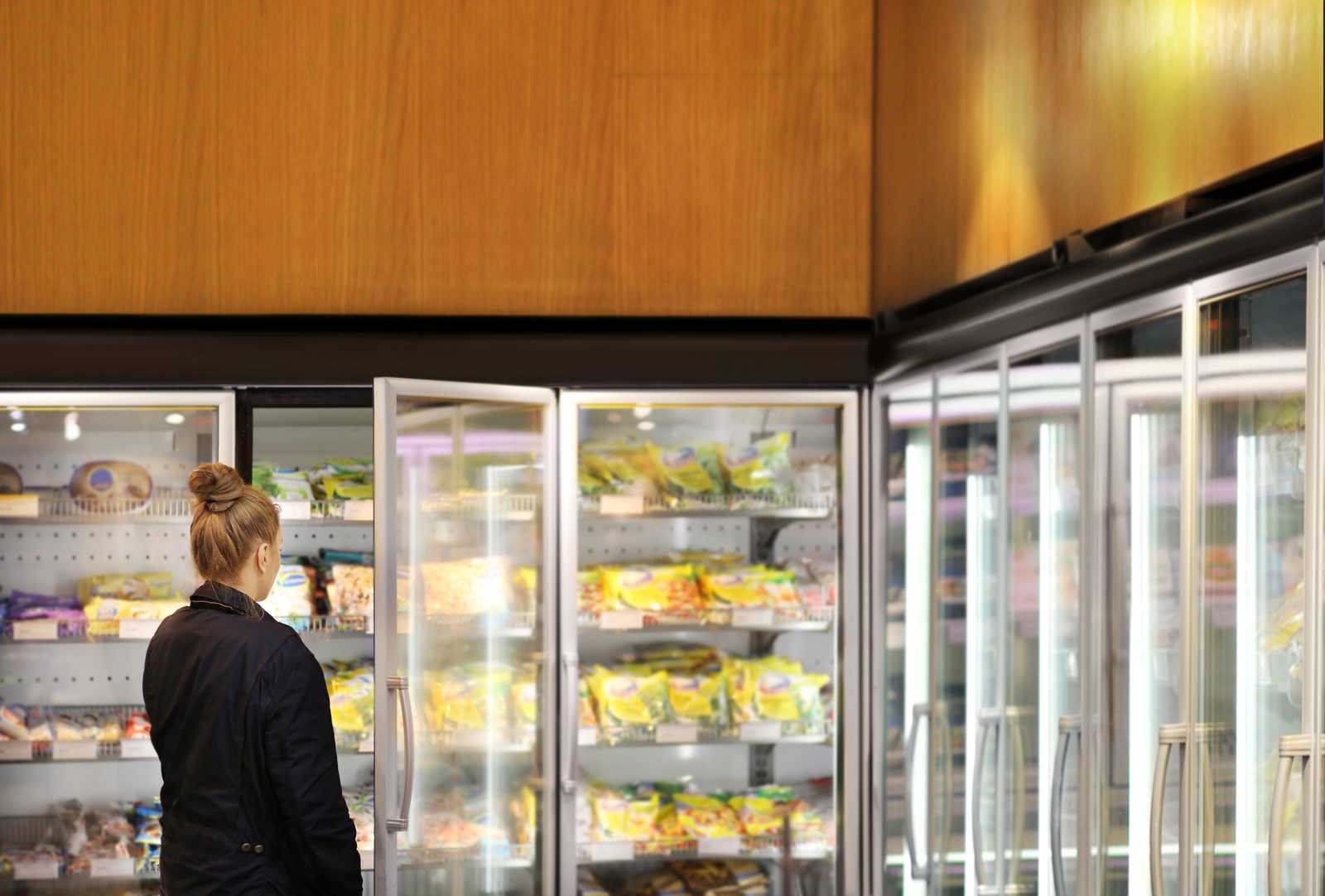
A supermarket can't close because a fridge company finds mornings convenient. So we work the way stores work: quiet, case-level repairs happen during trading behind proper barriers, with drip trays managed and no aisle left slippery or blocked. Anything noisy or invasive, lineup surgery, refrigerant work, panel-off jobs that open a case to the world, gets scheduled before opening, after close or overnight, agreed with your floor manager in advance. Receiving stays clear, customers stay oblivious, and your security arrangements are respected to the letter.
The commercial discipline stays the same whatever the hour: diagnosis with instruments, a written quote before work starts, repairs from van stock where possible, and temperatures verified on paper before we leave. It's the same approach we bring to every job under our commercial refrigeration banner, supermarkets just get it at 2am more often than most. One honesty note: on older OEM cases the odd proprietary part can take a day or two to source, and we'll tell you that at quote stage, along with what we can do to hold the case stable in the meantime.
The other bill
Refrigeration is usually the biggest single line on a store's electricity bill, which makes every fault a double charge: once in stock risk, again in kilowatt-hours. The honest hierarchy of fixes looks like this. First, repair what's broken, a failed night blind, a leaking gasket or an iced coil makes the plant work overtime every single day, and fixing them is cheap. Second, restore the habits: blinds down at close, load lines respected, doors actually shut. The unglamorous stuff outperforms most upgrades.
Then the upgrades, with honesty attached. Retrofit doors on open multidecks do cut energy use substantially, but they change how a case breathes and they're not right for every lineup or every budget, we'll tell you if yours is a good candidate rather than sell you glass on principle. EC fan motors are a real improvement and make obvious sense fitted as failures occur; ripping out healthy motors purely for the badge rarely pays its way quickly. And LED case lighting is usually worth it when the old tubes start dying anyway. Sequence the spend so the savings fund the next step, we'll happily map that order for your store.
Why Fridge Rescue
From superettes to franchise stores, we've worked case lineups across Gauteng since long before load-shedding had stages.
Barriers, clean work, night slots for the big jobs, your customers should never know we were there.
Fan motors, sensors, controllers, gaskets and gas on board, so most case-level faults are fixed on the first visit.
Written quotes before work, logged temperatures after it, and a workmanship guarantee on every repair.
Case makers
Supermarket cases are a mongrel fleet by nature: lineups get extended, stores change hands, and the OEM badge on a case often belongs to a builder long since renamed. It doesn't matter. Staycold and Fridgestar dominate the plug-in population in SA stores, Hisense Commercial glass-door units are everywhere, and KIC and Defy fill the back rooms, but underneath any nameplate the fans, valves, sensors and compressors speak the same engineering language. We repair the refrigeration on whatever name is screwed to the lineup, and the common parts ride on our vans.
From the shop floor
On remote systems a whole lineup shares compressors in a plant room, but each case keeps its own valves, sensors, fans and defrost cycle. When a single case runs warm, the fault is almost always local to that case, an iced sensor, a dead fan bank or a stuck valve, rather than the rack itself. Plug-in cases are self-contained, so a warm one is simply its own repair. Either way it's usually a case-level fix, not a plant rebuild.
Every case defrosts on a schedule, usually overnight, and the meltwater should run away through a drain or into an evaporation tray. A blocked case drain, an iced-up pan or a case knocked off level sends that water into the aisle instead. It's one of the quickest faults we fix and one of the most expensive to ignore, a customer slip costs far more than a drain clear.
Yes. Pulled down over open cases after close, night blinds cut overnight heat gain dramatically, which steadies product temperatures and takes real load off the refrigeration. When motors or runners fail, staff stop bothering, and the savings quietly disappear into the electricity bill. Repairing blinds is modest work that usually pays for itself within months.
A technician walks your floor and maps every case: product and air temperatures, gasket condition, drains, fans, condensers, lights, blinds and door closers. You get a written report ranked by risk, what's losing stock now, what's about to, and what can wait, with a quote for each item before any work starts. Multi-store owners run this on a schedule through our ColdChain Pro plan.
Mostly, yes. Quiet case-level work happens behind barriers during trading hours without bothering your shoppers. Noisy or invasive jobs, lineup work, refrigerant work, anything that opens up an aisle, get scheduled before opening or after close. We agree the plan with your floor manager first, so the tills keep running while we work.
Say so when you call and the job is treated as an emergency: priority dispatch plus triage advice on the phone, blinds down, doors shut, consolidate stock into working cases or the cold room. Our emergency response runs during and after business hours, and we'll tell you honestly how soon a technician can be at your store.
Rack plant and process-scale systems.
Merchandisers and till-side coolers.
Your frozen reserve, held at −18 °C.
Receiving-side chillers and prep rooms.
Glass-top islands and storage chests.
Why frost happens and how we stop it.
Whether it's one stubborn case or a whole wall on the blink, the next step is the same, book a store call-out and we'll take it from there.
Brands, faults & areas
We service all the major makes sold in South Africa, from everyday models to premium, electronically controlled units: Samsung, LG, Defy, Bosch, Whirlpool, Hisense, Kelvinator, KIC, AEG, Smeg and Electrolux.
Whatever the symptom, we diagnose it with proper instruments before we quote. The faults below are the ones we are called out for most.
Same-day call-outs across Johannesburg, Pretoria and the wider metro, from Sandton and Midrand to the East Rand. Find your area below.
From one warm case to a whole lineup down, same-day response for Gauteng stores, planned around your trading hours.