
Processing
Food processing plants
Process cooling, chill rooms and freezer holds where a warm hour stops the line, and the line feeds the order book.

Downtime measured in tonnes
When a rack trips at 02:00, the loss is counted in pallets and truckloads, not trays. We service the racks, condensing units and process cooling that Gauteng's food plants, depots and cold stores run on. We repair every major brand, including Samsung, LG, Defy, Bosch and Hisense, with same-day call-outs across Johannesburg, Fourways, Kempton Park and the wider Gauteng metro.
Plant-scale refrigeration
Somewhere between the fridge behind a shop counter and the rack room behind a distribution centre, refrigeration stops being an appliance and becomes infrastructure. A café that loses a fridge loses a fridge. A food plant that loses suction pressure loses a production line, a dispatch schedule, and possibly an export consignment that took a month to certify. At that scale nobody phrases the damage in trays of stock. It's pallets, lanes and tonnes.
Failures cascade because industrial systems share everything, pipework, load and control logic. One compressor on a four-machine rack drops out on a hot afternoon. The remaining three inherit its duty and run without resting. Suction pressure climbs, evaporators start losing the fight, and every room on that suction group creeps upward together, degree by degree. By the time the morning shift clocks in, the original fault is old news and the cascade is the story. The first failure was cheap; the week of consequences is what costs tonnes.
The arithmetic is brutal because the stock is concentrated. A retail fridge holds a few thousand rand of product; a single freezer room holds a season's contracts, and an export-certified cold chain holds something worse than money, a customer's confidence that took years to earn and one warm weekend to lose. Plant managers know this, which is why the good ones treat refrigeration the way they treat the sprinkler system: maintained on a schedule, tested on purpose, never taken on faith.
This is the heavy end of our commercial refrigeration work, and we've been doing it for more than fifteen years along Gauteng's logistics belt, Kempton Park and Boksburg around the airport corridor, Germiston's food precincts, the depot strips of Midrand and Centurion. The commercial terms stay simple even when the plant isn't: call-out fee quoted upfront, written quote before any work starts, and a technician who explains findings in pressures and temperatures, not hand-waving.
Capability
"Industrial" covers a lot of floor space, so here's the honest scope. Our technicians are at home on freon-charged plant, HFC and HFO systems, and the secondary loops they feed, from one large condensing unit on a single room to staged multi-compressor installations. We arrive with manifold gauges, clamp meters, electronic leak detectors and temperature loggers, and the discipline to read a plant properly before opening a single valve.
One scoping note up front: ammonia plant is its own engineering discipline with its own safety regime, and we don't pretend otherwise. Ammonia sites are assessed case by case with specialist partners, and we'd rather coordinate honestly than improvise expensively. On the freon-charged satellite equipment most ammonia sites also run, our teams work directly.

Who calls us
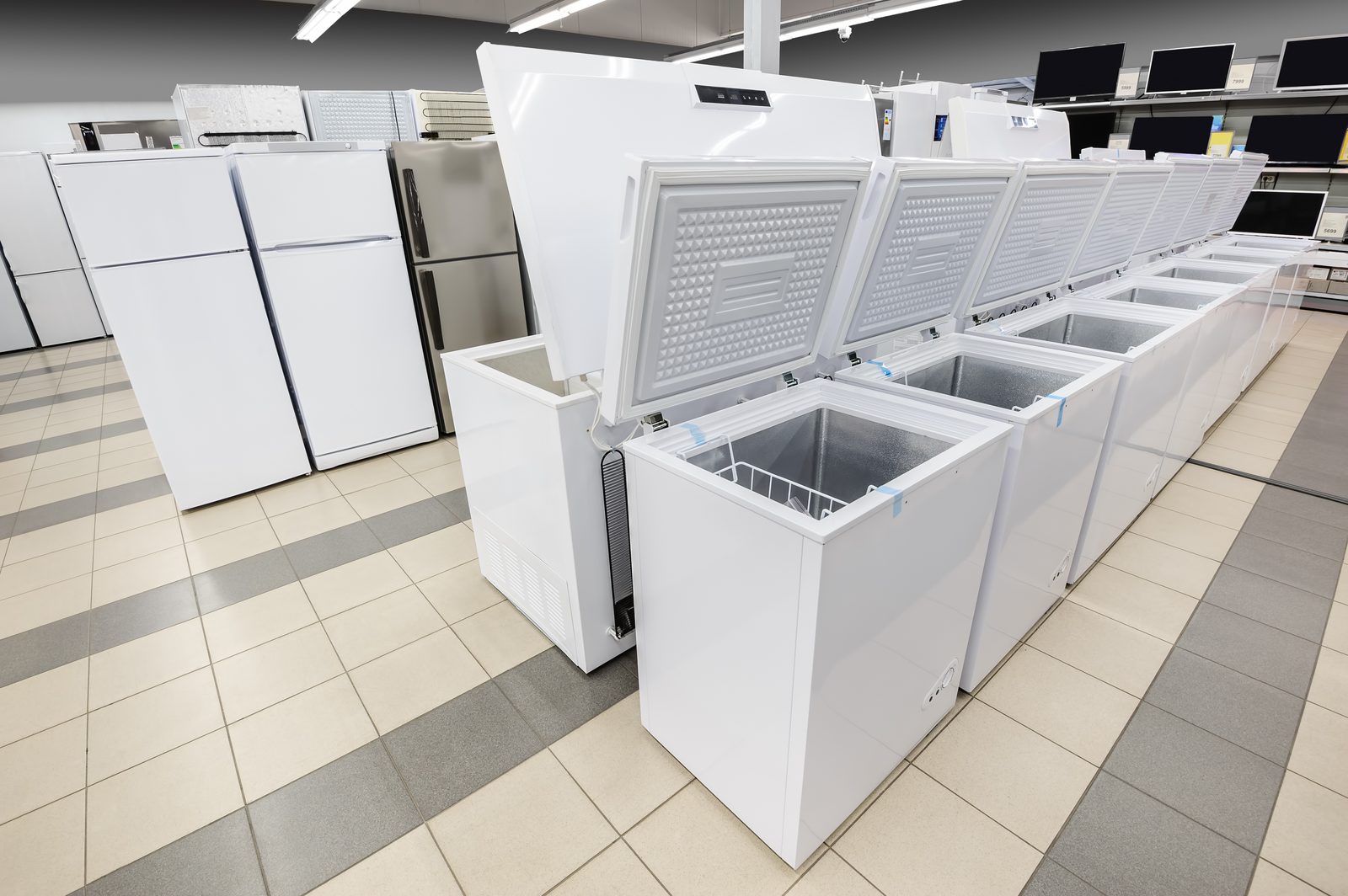
Six kinds of site account for most of our industrial work. If your cold estate is a sales floor of multideck cases rather than a plant room, our supermarket refrigeration team speaks that dialect instead.
Process cooling, chill rooms and freezer holds where a warm hour stops the line, and the line feeds the order book.
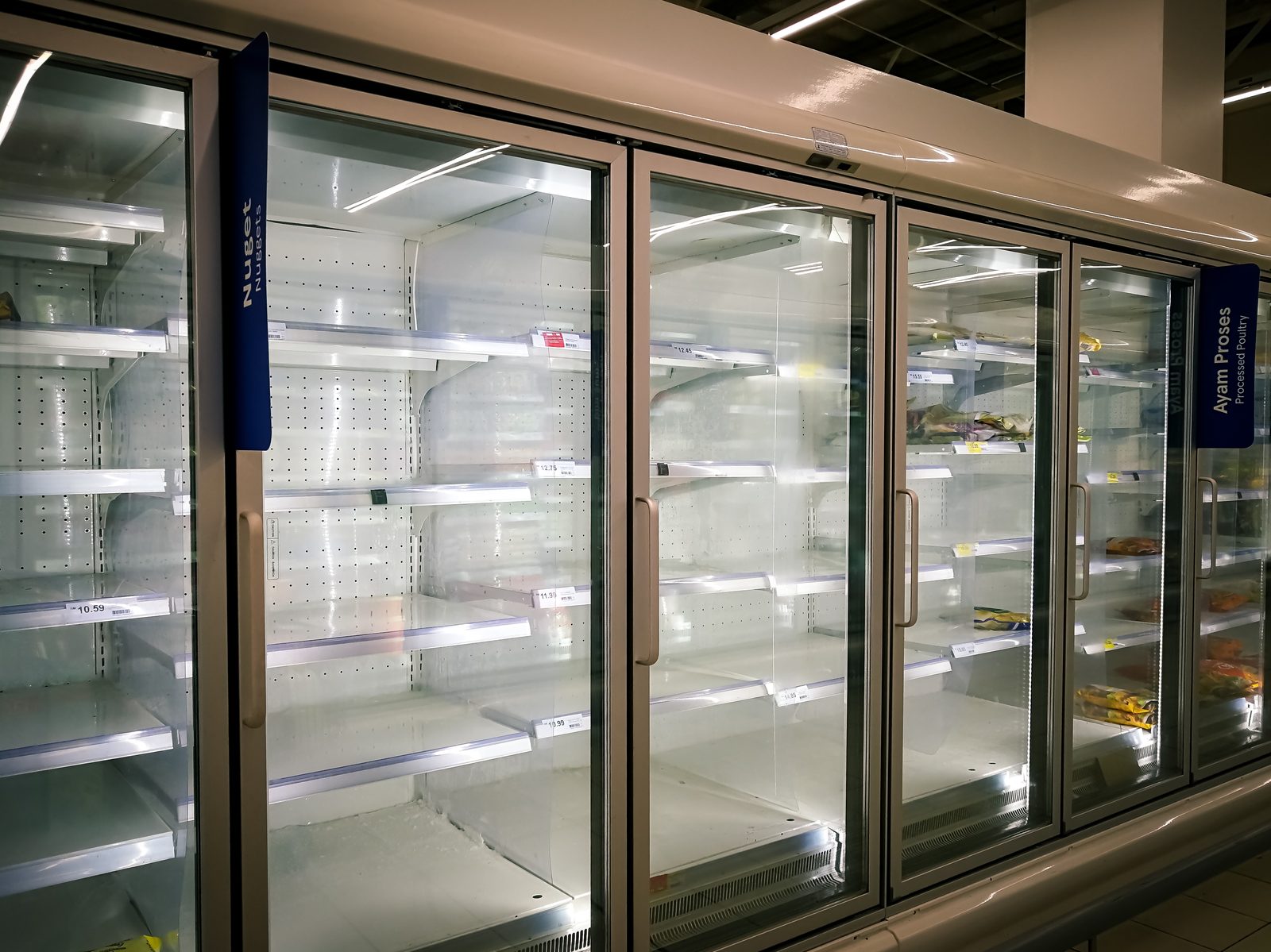
Dock-to-rack cold chains around Kempton Park, Boksburg and the airport corridor, staging chillers, holding rooms, dispatch lanes.
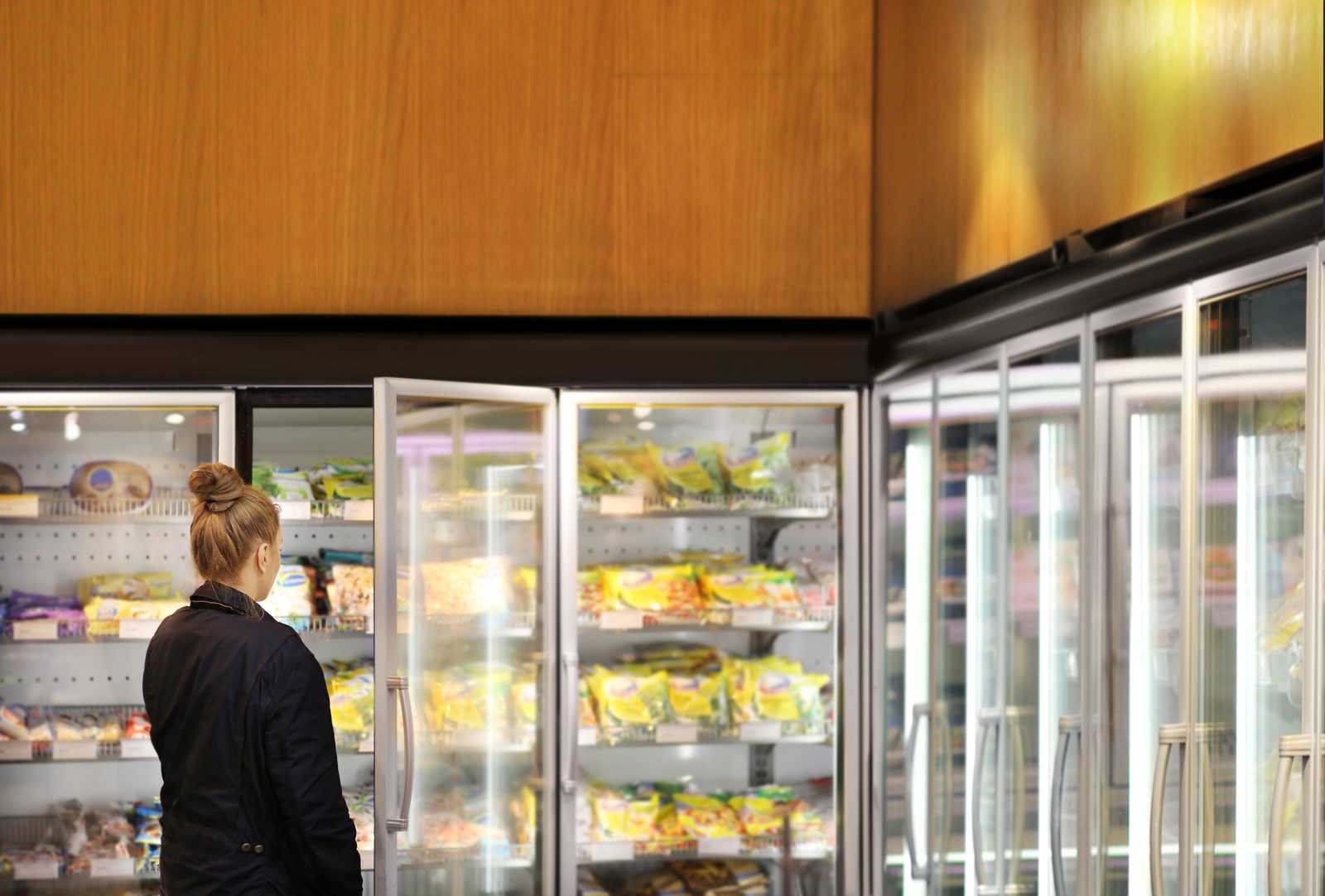
Field-heat removal and holding rooms where a deferred repair shows up as soft produce and rejected consignments.

Milk reception, maturation rooms and glycol-chilled process lines that can't wait for Monday's site meeting.
Dough retarders, cream rooms and freezer holds, running flour-dusted condensers that clog faster than anyone budgets for.
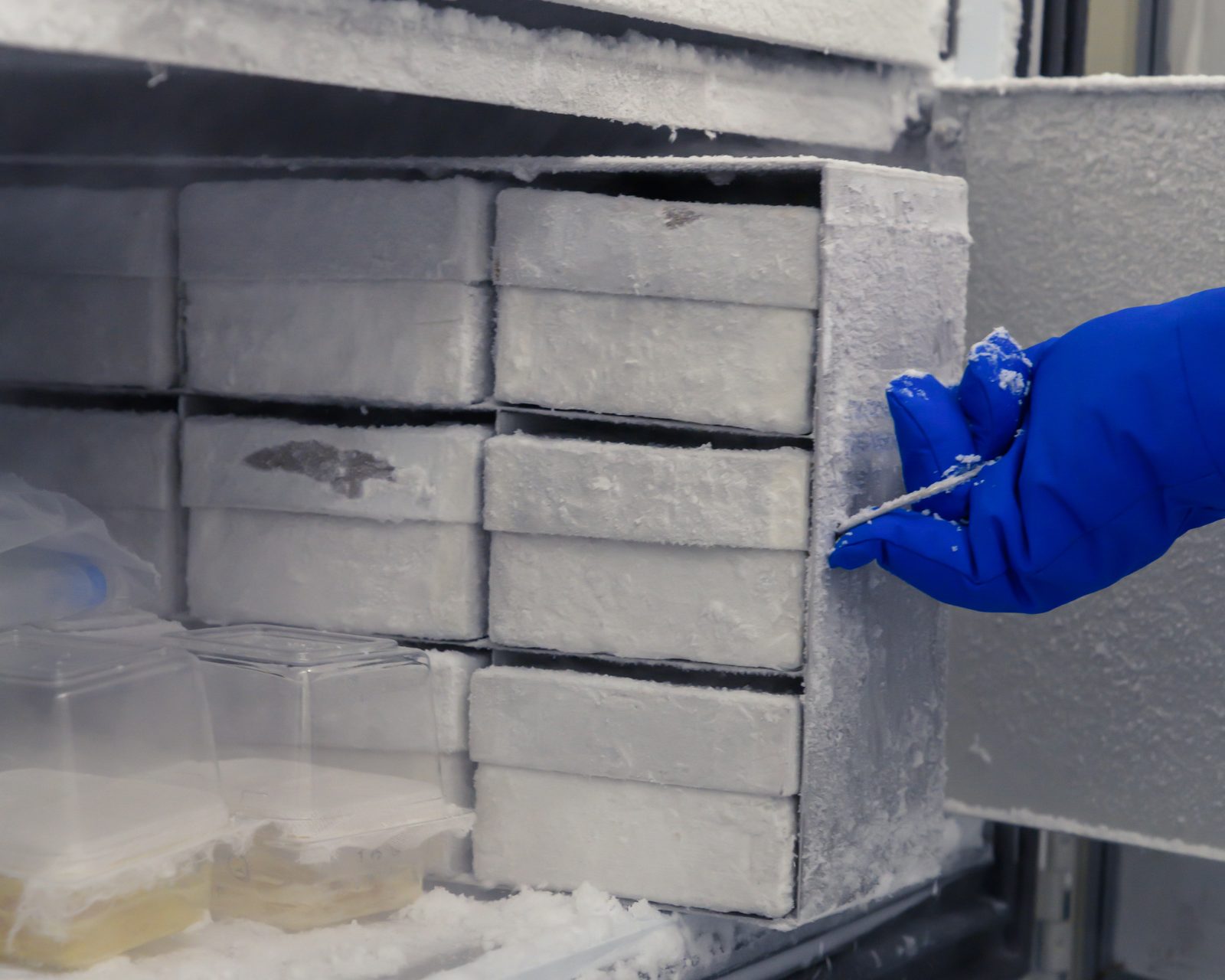
Multi-room and high-bay stores holding other people's stock, where contracts, insurers and thermometers all want the same number.
Failure modes
Industrial refrigeration rarely invents new ways to fail. It repeats a known set of patterns, and the skill is recognising which one you're looking at before it recruits the next one. These are the eight we keep meeting across the province.
And the signs it's time to stop watching and pick up the phone: rooms that recover slowly after door-open periods when they used to snap back; a compressor that short-cycles or runs hot to the touch; frost appearing where there has never been frost; oil staining under joints; an electricity bill that climbed without a tariff change. None of these is an emergency yet. Each of them is an emergency's opening move, and a planned repair on a Tuesday costs a fraction of the same repair at 02:00 on a Saturday with a truck waiting at the dock.
Planned maintenance
Big refrigeration almost never dies suddenly. It announces itself for weeks in the numbers: discharge temperatures trending upward, current draw rising on one machine, run hours diverging across a rack, a top-up recorded at three services in a row. A maintenance programme is simply the discipline of reading those announcements early enough to act on a weekday, at a planned hour, instead of during Saturday dispatch.
Our scheduled rounds are built on that logic. Condenser coils are cleaned on a calendar, not "when they look bad", because capacity loss is invisible until the first hot week. Oil gets checked for level and colour, and machines get the flat-of-the-hand vibration test that catches failing mounts and chattering pipe clamps before they fracture a joint. Leak detection runs as a standing round of valve stems, joints and cores, with refrigerant movements logged so the system's history can testify. Temperature logging moves off the clipboard and into continuous records wherever the site allows, which is how a 2 a.m. drift becomes a Tuesday email instead of a Thursday write-off.
Load-shedding gets its own paragraph because at plant scale it isn't an inconvenience, it's a stress test. Generator switchovers deserve staged compressor restarts so inrush currents don't stack; phase rotation must be verified after any switchgear work; and control power should prove itself before the machines are allowed back. We set plants up to ride through Eskom's schedule rather than gamble on it, and our ColdChain Pro plan wraps the whole discipline, scheduled visits, logged temperatures, a per-site asset register and priority breakdown response, into one standing arrangement for multi-site and industrial operators.
Between our visits, your own people are the early-warning system, and the in-house habits are not complicated. Keep the condenser aisle clear, pallets stacked against a coil are capacity theft in plain sight. Keep strip curtains complete and door heaters working, because a door that won't seal is a load the compressors pay for hourly. Log every refrigerant top-up, every trip, every odd noise with a date, even on a whiteboard. When something does fail, that scribbled history routinely cuts our diagnostic time in half.
Compliance
Refrigerant work on our industrial jobs is carried out by SAQCC-registered gas practitioners, and the difference shows in the habits more than the paperwork. Gas gets recovered into cylinders instead of vented to the car park. Charges are weighed in and out, not guessed. Brazed joints are pressure-tested before a system is recharged, and every movement of refrigerant lands in the job card so the plant's gas history stays legible years later.
That record-keeping earns its keep beyond the plant room. Franchise auditors, export certifiers and insurers all eventually ask the same question, show us the maintenance history, and "ask the previous contractor" is not an answer that passes. We hand over documentation you can file and produce on demand: what was found, what was done, what was measured before we left. Plants change managers and contractors change hands; tidy paper outlives both.
Refrigerant choices are also shifting under everyone's feet as older gases get phased down and prices move with scarcity. When a system on an ageing refrigerant develops a major leak, there's a real decision to make, repair and recharge, retrofit to a current gas, or re-plan that part of the circuit, and the right answer depends on the plant's age, duty and remaining life. We lay those options out with numbers attached, rather than scare-selling a replacement plant you don't need.
How engagements start
Industrial work starts with measurement, not invoices. Whether you're carrying a known defect list or just an uneasy feeling about a plant nobody has looked at since the last contractor left, the sequence is the same.
We walk the plant with your facility lead, baseline temperatures, pressures and current draws, photographed defects, and an asset register of every machine on site.
Scope and ranked priorities: what's urgent, what's soon, what's watch-and-wait. Parts lead times declared upfront, and a written quote before any spanner turns.
Nights, weekends and production gaps, your dispatch plan outranks our convenience. Permits, barriers and site inductions are respected without being chased.
Planned visits at agreed intervals, with priority breakdown response in between and a paper trail your auditors can actually use.
On emergencies, the honest version: plant-down calls get same-day priority during business hours, and standing clients have an after-hours emergency line for genuine failures. What we won't promise is a technician on your roof within the hour from anywhere in the province, we quote response times truthfully when you call, then do our best to beat them. What you'll never get is a silence that lasts until Monday.
While a team is en route, work the first hour properly. Don't keep restarting a tripped machine against standing pressure, repeated hot starts turn a recoverable fault into a rewind. Write down what tripped, when, and what the panel showed; photograph alarm screens before anyone resets them. Move the most contract-critical stock to the coldest healthy room while there's still labour on shift to do it, and log room temperatures every half hour from the moment of failure. If insurers end up involved, that handwritten timeline is worth more than any amount of recollection.
Why plants keep our number after the first job, in four plain claims:
Racks, rooms and process cooling across Gauteng's food and logistics sites, not domestic techs upselling.
Every finding arrives as a measured pressure, temperature or current draw you can check against the data plate.
Fan motors, contactors, controls and common compressor spares travel with us; rare parts get declared lead times.
Job cards, gas logs and verified temperatures, filed and reproducible whenever a certifier comes asking.
Components over badges
Industrial plant is assembled, not bought off a shelf. The badge on the cold room door tells you who built the box; the data plates inside tell us what we're actually working with, Copeland scrolls and semi-hermetics on most condensing units, Bitzer reciprocating and screw machines on the bigger racks, Danfoss valves, pressure controls and controllers stitched through nearly everything. Parts availability lives at that component level, which is why our vans and our supplier accounts are organised around it. Whoever installed your plant, and in Gauteng that's often a company that no longer exists, we can read it, source for it and keep it running.
Plant FAQ
Not directly, our technicians work on HFC and HFO refrigerant systems and the glycol loops they feed. Ammonia plant is a specialist discipline with its own safety regime, so we assess those sites case by case and bring in specialist partners where the plant calls for it. On the freon-charged satellite equipment most ammonia sites also run, our teams work directly and coordinate with your ammonia contractor rather than improvising at the edge of our competence.
Plant failures with stock at risk jump our queue. During business hours we dispatch the nearest available team the same day, and standing clients have an after-hours emergency line. Have three things ready when you call: what the plant serves, what the panel or telemetry is showing, and what has already been tried. That conversation often saves an hour on site, because we arrive carrying the right parts and the right plan instead of starting the diagnosis in your car park.
Yes, and it happens more often than the industry admits. We start with a site survey that documents the plant exactly as we find it, refrigerant charges, compressor condition, defrost settings, known defects, so there's a clean baseline and no argument later about who left what in what state. From there you get a proposed schedule with a written scope. Bring whatever service records exist; the gaps tell us as much as the entries do.
Methodically. We sweep the plant with electronic detectors at the usual suspects, valve stems, flare joints, Schrader cores and brazed bends that live with vibration, and confirm anything suspicious with bubble testing. The paperwork matters just as much: a system that needed top-ups three services in a row has a leak whether or not the detector sings that day. Topping up gas without finding and fixing the leak is deferral, not repair, and we'll say so in writing.
Smaller than you'd think. A single condensing unit feeding one freezer room counts as industrial enough for us if it's what your business stands on, and at the other end we service multi-compressor racks and multi-room cold stores. If your refrigeration is really a sales floor of display cases or a kitchen full of cabinets, our supermarket and restaurant teams are the better fit, same company, same number, different toolkit on the van.
Single rooms on plug-in or remote plant.
Deep-freeze rooms at −18 °C and below.
Multidecks, islands and case lineups.
Rapid pull-down machines for kitchens.
Diagnosis before replacement, always.
The full cold-side service, one number.
Ready to put numbers against your plant's condition? Book a site survey and we'll walk it with you, gauges in hand.
Brands, faults & areas
We service all the major makes sold in South Africa, from everyday models to premium, electronically controlled units: Samsung, LG, Defy, Bosch, Whirlpool, Hisense, Kelvinator, KIC, AEG, Smeg and Electrolux.
Whatever the symptom, we diagnose it with proper instruments before we quote. The faults below are the ones we are called out for most.
Same-day call-outs across Johannesburg, Pretoria and the wider metro, from Sandton and Midrand to the East Rand. Find your area below.
Tell us what your plant serves and we'll schedule a survey that doesn't interrupt production.