

The household's cold bank vault
Chest freezer repairs in Gauteng
Month-end meat, the stokvel bulk buy, December's stash, your chest freezer guards more grocery money than anything else with a plug. We repair every make at your home, anywhere in Gauteng, usually in a single visit. We repair every major brand, including Defy, Samsung, Hisense, KIC and Bosch, with same-day call-outs across Bryanston, Boksburg, Johannesburg and the wider Gauteng metro.
Month-end thinking
The appliance that guards your grocery money
Nobody romanticises a chest freezer. It sits in the garage or on the back stoep, hums to itself, and holds more of your household's wealth than anything else you plug in: the month-end meat run, the stokvel bulk buy split four ways, the venison from a hunting trip, the December cooking that started in October. When a chest falters, you don't lose an appliance, you lose a budget. That's why this page treats it with the seriousness it has quietly earned.
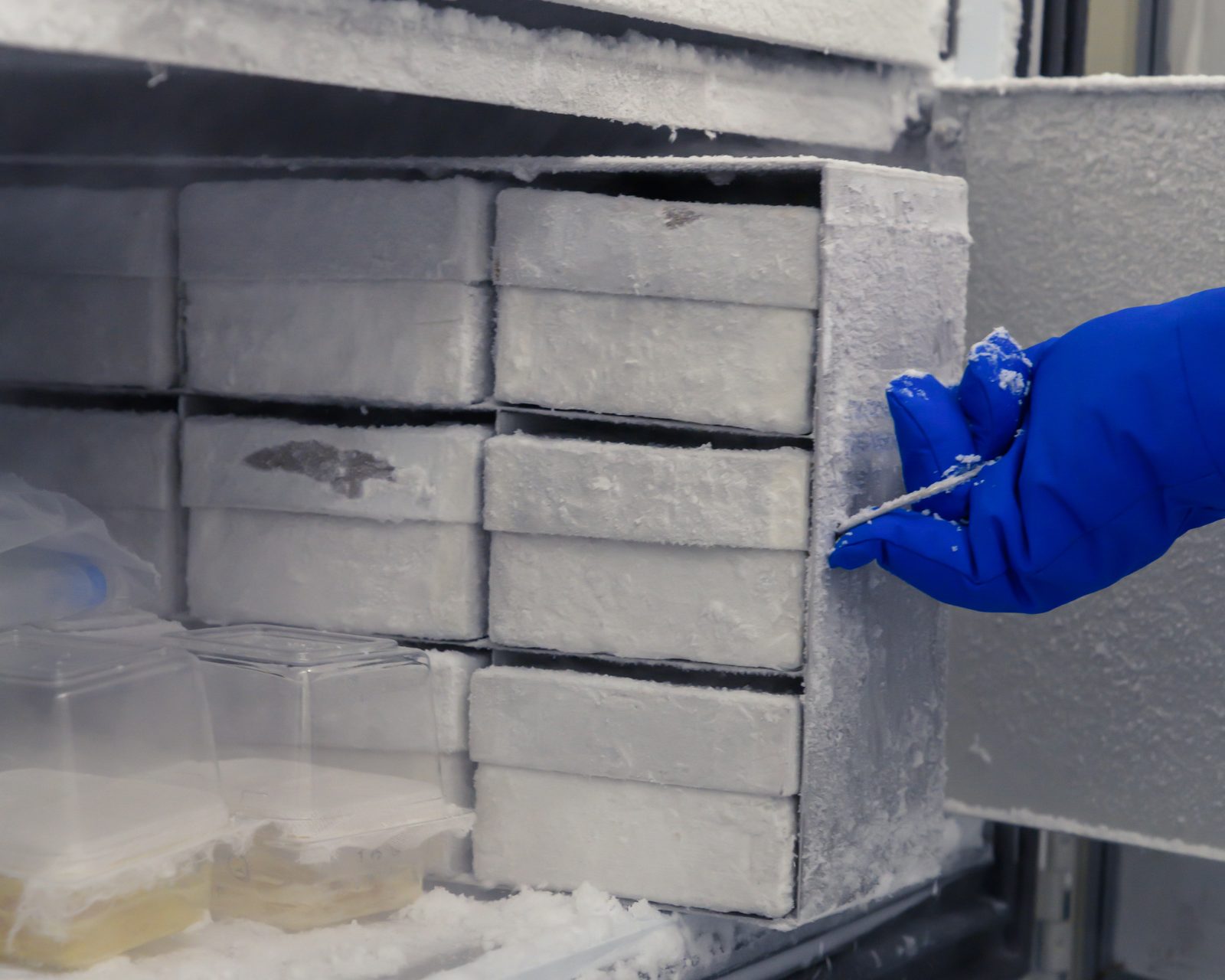
It's also the best-engineered survivor in the house, and the reason is physics, not luck. Cold air is heavier than warm air, so it lies in the tub the way water lies in a pool, lift the lid and almost none of it spills out. Now add eighty kilograms of frozen food. That mass doesn't just store cold; it is cold, and it has to warm all the way through before anything inside comes to harm. When Stage 6 kills the plugs for hours at a stretch, a full chest with the lid down shrugs it off long after other freezers have started weeping into their drawers.
There's a catch. That same patience hides faults beautifully: a chest fails slowly and silently, and most owners only find out when the bottom layer goes soft. And while the cold survives outages on its own, the machinery that restarts afterwards, relays, capacitors, control electronics, takes the real beating; if your unit is a modern electronic model, our inverter fridge repairs page covers the surge side of that story. This page covers everything else: what goes wrong, what you can safely do yourself, and when to get us to your house.
Slow, silent, fixable
What actually goes wrong under the lid
A chest has fewer parts than any other freezer format, but the parts it has work for decades, and they age in recognisable ways. This is the field list from fifteen-plus years of garage and stoep call-outs:
- It never switches off, a compressor that hums around the clock is covering for a leaking lid seal, slowly escaping refrigerant, a dishonest thermostat or a cabinet that can't shed heat. You pay for the cover-up on every electricity bill.
- Warm, sweaty sides, most home chests have no coil hanging on the back. The hot side of the cooling circuit is tucked just beneath the cabinet's outer steel, so the whole body works as the radiator, and warm flanks after a big load-in simply mean the system is busy. Trouble reads differently: sides that stay hot hour after hour, or panels beading with condensation in dry weather, point to insulation breaking down inside the wall.
- A lid seal flattened by years of weight, chest gaskets rarely tear; they squash. Decades of a heavy lid pressing down leave a leak path you can't see but the freezer feels every night. It's the lid-shaped version of a door-seal problem, and it's a quick fix.
- Frost climbing the walls, a slow build to finger-thickness is normal manual-defrost life. Frost that storms back within weeks of a defrost is a fault, and our freezer ice build-up guide explains why it never cures itself.
- Rust freckles on the liner or floor, chipped coating is cosmetic and treatable. Rust that softens or perforates the steel lets moisture into the insulation below, and soaked insulation is the one fault no spare part can undo. Early beats late by years here.
- A thermostat losing its grip, packs like granite at the bottom while the top layer gives under your thumb, and turning the dial changes nothing. Drifting thermostats also cause mystery non-stop running.
- Click… buzz… silence, the start relay or capacitor trying and failing to launch the compressor every few minutes. The parts are cheap; ignoring the soundtrack isn't, because every failed start cooks the compressor windings a little more.
- Dead after load-shedding, when power returns, the compressor must start against system pressure, and tired start components often can't manage it; add the voltage spike that rides in on restoration and you have the classic morning-after fatality.
Every fault on this list is cheaper in the week you first notice it than in the month after. Chests don't nag, so the noticing is your job, and the fixing is ours.
A morning, every few months
Defrost day, done properly: the towel-and-basin method
Frost is insulation growing on the wrong side of the steel. A few millimetres is ordinary life for a manual-defrost chest; once the walls carry about a finger's depth, you're paying the compressor to push cold through an ice blanket. For most Gauteng homes that means defrost day every two to four months, sooner through a humid summer, later in the bone-dry winter. Done right, it costs you one quiet morning:
Run the stock down first
Time it for the week before the month-end shop, when the tub is at its lowest. What's left goes into cooler boxes, a neighbour's freezer or a blanket-wrapped huddle, frozen packs grouped tightly protect each other for hours.
Switch off and open up
Unplug, prop the lid wide, and pull the drain plug if your model has one, with a shallow basin under the spout. Towels in the well catch whatever the basin misses.
Let warm water do the lifting
Bowls of warm, never boiling, water set on the floor of the well speed the melt safely. Swap them as they cool. Boiling water shocks frozen steel and ages the liner before its time.
Retire every sharp object
No knives, no screwdrivers, no garden trowels. The pipework that does the freezing sits a couple of millimetres behind the inner wall, and one puncture can write off the entire cabinet. A plastic scraper and patience beat steel every time.
Dry it like you mean it
Moisture left behind is the seed of next month's first frost layer. Wipe the well, rim and gasket bone dry, reseat the drain plug, and let it air for a few minutes.
Restart empty, reload cold
Switch on and give the empty chest a couple of hours to pull down before the stock goes back in, coldest, fullest items first, so they re-anchor the temperature.
One rule turns this chore into a diagnostic: if the snow cave is back within three weeks, stop defrosting and start asking why. Fast-returning frost is a seal or moisture fault wearing a housekeeping costume.
Load like a strategist
Pack it full, pack it clever: loading for power cuts and performance
A full chest is a stable chest. Frozen mass barely moves in temperature between compressor cycles, while air swings quickly, so the emptier the tub, the harder the thermostat works and the faster everything warms when Eskom pulls the plug. If your stock won't fill it, water will: two-litre bottles, three-quarters filled and frozen, turn dead space into ballast. They steady the temperature in normal life, buy precious extra hours in an outage, and double as braai-cooler ice on Saturdays. That's the cheapest freezer upgrade in South Africa.
Rotation is the other discipline, because the bottom of a chest is where good meat goes to be forgotten. Date every pack with a koki before it goes in, keep categories in baskets or shopping bags you can lift out whole, and when the new month's buy arrives, bring last month's survivors up to the top instead of burying them. Before the December stash moves in, eat the archive down deliberately, it clears the well for the season and gives you a defrost window in the same week.
Two cautions. Never stack above the load line pressed into the liner, stock standing proud holds the lid a hair off its gasket, and that hairline gap runs the compressor all night. And if lid-and-dig archaeology is exactly what you hate about chests, drawers are the upright's whole sales pitch; we weigh the two formats honestly on our upright freezer repairs page.
DIY or dial?
Sort it yourself, or send for us, a straight split
You can handle this
- Finger-thick frost on the walls, that's the towel-and-basin morning described above, not a breakdown.
- Warm flanks during a pull-down after a big load-in, the skin of the cabinet is the radiator doing its job.
- A musty smell after defrosting, wash the well with bicarb solution, dry completely, run it empty for an hour.
- The lid sitting skew after moving house, check the unit stands dead level before blaming the hinges.
- A chest cooking in a hot garage corner, pull it a hand's width off the wall, out of any sun, and let the cabinet breathe.
Call us this week
- The motor hasn't taken a rest overnight, even with the lid shut since supper.
- Frost is back in force within a fortnight of a proper defrost.
- Click-buzz-silence every few minutes, and the compressor never gets going.
- Panels sweating day after day in dry Highveld weather.
- Rust that flakes, spreads or feels soft under a fingertip.
- Stock came out soft after an ordinary outage window.
- The earth-leakage trips when the freezer tries to start.
If your symptom landed in the right-hand column, don't run the experiment twice. Same-day slots cover most of the province, and Benoni, Boksburg, Alberton and Germiston are daily territory for our East Rand vans.
At your house, around your stock
What a home call-out looks like when the freezer's full
Book by phone, WhatsApp or the form at the top of this page, and tell us three things: the brand, what the freezer is doing, and roughly how full it is. That last detail matters more than people expect, because it shapes how we plan the repair. We run same-day slots across most of Gauteng, Soweto, Roodepoort, Pretoria and Centurion included, and the call-out fee is quoted upfront when you book, with a written quote in your hands before any work starts.
Here's the good news about working on a loaded chest: the machinery lives in its own compartment at one end of the cabinet, so thermostats, start relays, capacitors and lid gaskets are usually replaced without unpacking a single boerewors coil. We keep the lid shut for all but the minutes that need it open. Where the fault is refrigerant, we're blunt: regassing fixes nothing unless the leak is found, and on a chest, where the pipework hides inside the walls, we pressure-test and trace before recommending a cent's worth of gas. If a repair needs the unit empty for a stretch, we tell you upfront so cooler boxes and ice bricks are standing by, not scrambled for.
When the work is done we verify the pull-down with a thermometer, not a guess, and back the repair with a written guarantee. Chest freezers are a weekly slice of our residential fridge repair rounds, and the same crew answers the after-hours emergency line, so if you've just found the freezer dead on top of a month's meat, say so when you call and your job jumps the queue. Households who'd rather never have that evening can put the freezer on a HomeCare plan and let us catch the wear a season early.
Straight answers
Old faithful or money pit: deciding on an ageing chest
Chests outlive marriages, which means we regularly stand in a garage next to a twenty-year-old unit and an owner who wants a straight answer. The case for repair is strong more often than you'd think: the format is mechanically simple, parts are shared generously across brands and generations, and on a structurally sound cabinet even compressor-level work can make financial sense. A dry, rust-free fifteen-year-old that still bites hard when it runs is usually worth saving.
The case against comes down to two quiet killers. The first is the cabinet itself: once rust goes through the liner or the insulation has soaked, the box can no longer hold cold, and no part we fit will change that. The second is the gas inside the very oldest units, refrigerants that went out of production years ago. When one of those circuits springs a leak, an honest technician talks replacement rather than refills, and we'd rather lose that job than sell you a dead end. Electricity seals the verdict in marginal cases: a chest with wet walls can quietly out-spend a new one on the monthly bill alone.
One more fork in the road: if your chest earns its living in a tuck shop, tavern or kitchen rather than feeding a household, the formats and the stakes change, that story lives on our commercial chest freezer repairs page. Either way, the verdict arrives in writing before the spanners come out.
Garage royalty
Defy country: the chest freezer brands in South African homes
Defy chests are generational furniture in this country, bought for a wedding, still humming at the silver anniversary, and because so many are out there, their thermostats, gaskets and relays are stocked everywhere, which keeps repairs fast and reasonable. KIC shares that rugged simplicity and much of the same parts bin. Hisense dominates newer purchases and supports them well. The Kelvinator veterans still running in Gauteng garages deserve respect and a gentle warning: the oldest carry the phased-out-gas caveat from the section above. Bosch chests are scarcer but solidly built, with parts a few days away rather than on the van.
Households ask us
Chest freezer questions from Gauteng homes
How long will a full chest freezer keep food frozen during a power cut?
Longer than most people fear, if you leave it alone. A full, healthy chest that stays shut typically holds food safely frozen for 24 to 48 hours, because every kilogram of frozen stock is banked cold that has to warm up before anything spoils. Half-empty changes the maths: air warms far faster than mass, so a half-loaded chest may only manage about a day. Keep the lid closed until the power returns, and fill empty corners with frozen water bottles beforehand. If food comes out soft after an ordinary outage, the freezer was already losing the fight, book a check.
My chest freezer never switches off. What's wrong with it?
A healthy chest cycles, run, rest, repeat. One that hums around the clock is compensating for something: a lid seal that has stopped sealing, refrigerant escaping through a slow leak, a thermostat that no longer reads temperature honestly, or a cabinet wedged into a hot corner where it can't shed heat. Non-stop running is the most expensive symptom a freezer can have, because you pay twice, on this month's electricity bill, and in a worn-out compressor later. It's also one of the quickest faults for us to pin down at your home.
Why are the sides of my chest freezer warm, and why do they sometimes sweat?
Most home chests shed heat through their own walls: the warm side of the cooling circuit runs just beneath the outer steel, so the cabinet doubles as its own radiator. Warm flanks while it pulls down after a big load-in are normal. What isn't normal is sides that stay hot hour after hour, or panels that bead with moisture day after day even in dry weather. Persistent sweating usually means the insulation inside the wall is failing, or the machine is running far too long per cycle, either way, it's time for a technician.
There's frost like a snow cave inside. Is that a fault or just defrost time?
Check the calendar. Manual-defrost chests grow frost as part of normal life; when the walls carry about a finger's depth, defrost day has arrived, every two to four months in most Gauteng homes, sooner in a humid summer. The fault signal is speed: if you defrosted recently and the snow cave is already back, humid air is sneaking in past a flattened lid seal, a warped lid or an unseated drain plug. Fast-returning frost never fixes itself; it just makes the freezer work harder until something more expensive gives in.
I've found rust on the inside floor of my chest freezer. Is it finished?
Not necessarily, but don't ignore it. Surface rust where the coating has chipped can be cleaned, treated and sealed, and the freezer will carry on for years. The serious version is perforation: once rust eats through the liner, moisture reaches the insulation underneath, the insulation slowly soaks, and the cabinet loses its grip on cold no matter how healthy the machinery is. The difference takes minutes to check during a call-out, and we'll tell you plainly which kind you're looking at before you spend anything.
Is my 20-year-old Defy chest freezer worth repairing?
Often, yes, old chests are some of the most repair-worthy machines we touch. If the cabinet is dry, rust-free and still holding cold, a thermostat, start relay or lid gasket is a small spend for years more service. Two things change the answer: a refrigerant leak on a unit old enough to use a long-phased-out gas, where a simple refill is no longer simple; and soaked insulation or rusted-through steel, which no part can rescue. You get the honest verdict and a written quote before any work starts.
More cold-chain help for your home
Upright freezer repairs
Drawer-format freezers, frost-free systems and all.
Commercial chest freezers
Islands and storage chests that earn a living.
Freezer ice build-up
When frost is a fault, not a chore.
Seal & gasket problems
Doors and lids that leak your cold away.
All home fridge repairs
Every cold appliance in the house, one team.
Lid up and something's off? Don't wait for the bottom layer to break the news, book a chest freezer repair and we'll arrive carrying the parts these machines actually consume.
Brands, faults & areas
Chest Freezer Repairs: the brands we repair and the Gauteng areas we cover
Fridge brands we repair
We service all the major makes sold in South Africa, from everyday models to premium, electronically controlled units: Samsung, LG, Defy, Bosch, Whirlpool, Hisense, Kelvinator, KIC, AEG, Smeg and Electrolux.
Common fridge & freezer faults we fix
Whatever the symptom, we diagnose it with proper instruments before we quote. The faults below are the ones we are called out for most.
Areas we serve across Gauteng
Same-day call-outs across Johannesburg, Pretoria and the wider metro, from Sandton and Midrand to the East Rand. Find your area below.