

Fifty fridges, one phone call
Hotel refrigeration repairs in Gauteng
A hotel is a building full of fridges nobody notices until a guest does. We service the whole fleet across Gauteng, minibars, kitchen plant, banqueting walk-ins and bar fridges, quietly, on schedule, behind one number. We repair every major brand, including Defy, Samsung, Hisense, KIC and Bosch, with same-day call-outs across Boksburg, Sandton, Fourways and the wider Gauteng metro.
Do the census
Walk your property and count the fridges
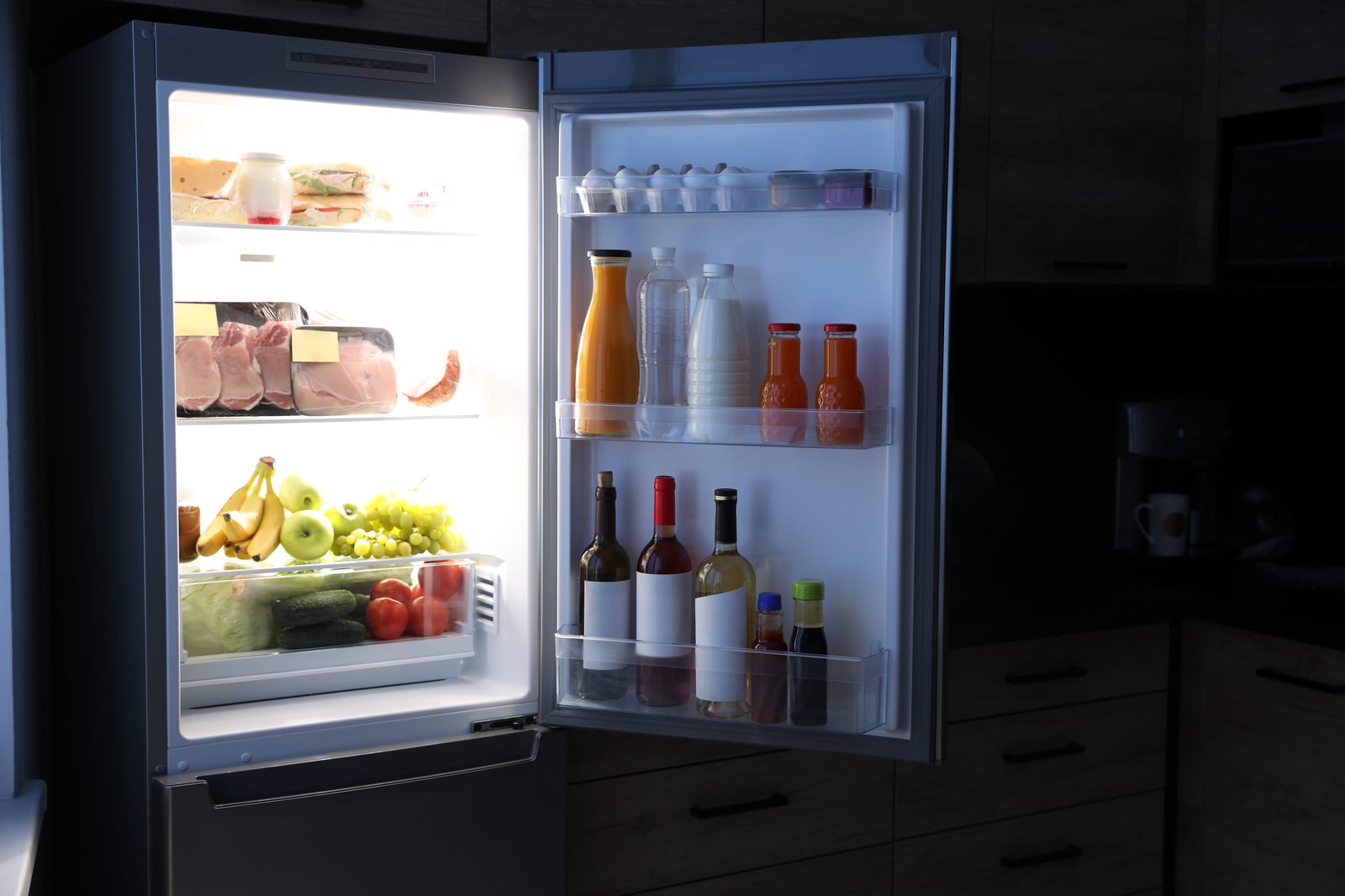
Start in any guest room: one minibar. Multiply by your room count. Now add the kitchen line, uprights, under-counters, prep fridges, then the banqueting walk-in, the breakfast buffet displays, the lobby bar, the pool bar, the ice machines on the conference floors and the tired old double-door in the staff canteen. A mid-sized Sandton conference hotel easily runs fifty refrigeration units. An airport property out by Kempton Park often runs more. Almost nobody on the payroll has ever counted them.
Guests don't count them either, they just notice one. Warm minibar water in room 414. A soft ice cube at the lobby bar. Milk on the turn at breakfast. In the review era that single warm moment gets written down, published and read by the next hundred bookings, and a two-line complaint can outlive a year of good service. Hotel refrigeration is invisible right up until it becomes reputational.
The traditional answer is a drawer full of business cards: one contractor for the kitchen, another who once looked at a minibar, a third for the ice machines, none of whom answer on a Sunday. Ours is simpler. One team services the entire fleet, knows the difference between a banqueting walk-in and an absorption minibar, and plans the work so your guests never see a toolbox.
The signature machine
The minibar isn't a small fridge, it's a different machine
Open a minibar and listen. Nothing, no hum, no click, no fan. That silence isn't a fault; it's the technology. Most hotel minibars are absorption fridges, a fundamentally different machine from every other unit on your property and the most misunderstood thing we repair. Half the "dead" minibars we get called to aren't dead at all.
An absorption fridge has no compressor and no moving parts. Sealed into the black unit on its back are three working fluids: ammonia as the refrigerant, water as its carrier, and hydrogen to balance the pressure. A small electric heating element warms the ammonia-water solution; the ammonia boils off, rises, sheds its heat to the room and condenses, then evaporates inside the cabinet, soaking up the warmth around your guest's sauvignon blanc, before dissolving back into the water and going round again. The entire cycle runs on heat and gravity. No motor means no noise, which is exactly why the industry hangs these machines next to sleeping guests.
Machines driven by gravity fail in gravity's ways. Level matters: a minibar knocked skew during a refurbishment, or perched on a wrinkle in the carpet, simply stops circulating, the fluids pool in the wrong bends and the cooling dies without any drama. Ventilation matters even more. Absorption units shed more heat than compressor fridges, and a minibar boxed into joinery with no airflow path behind it slowly cooks itself; blocked ventilation is the single biggest minibar killer we see. The electrics fail the way a kettle's do: heating elements burn out, thermostats and thermocouples drift or die. All of those are honest, repairable faults. A sealed circuit that has clogged or crystallised with age is not, that unit is finished, and we'll say so rather than sell you hope.
Diagnosis, mercifully, is quick once you know the species. Warm cabinet, silent unit, no heat at the rear: the fault is electrical, element or thermostat, and fixable. Warm cabinet with a hot rear unit working flat out: a circulation or ventilation problem, check the level, clear the joinery vents, and the fridge often revives without a single part being fitted. We teach housekeeping supervisors that two-touch check, because knowing the difference between "replace the unit" and "shim the left front foot" is worth a great deal right before somebody signs a purchase order for forty new minibars.
Newer compressor minibars are the other half of the story: colder, faster to recover after restocking, cheaper on electricity, and audible. The 2am click-and-gurgle complaint is real, and it always lands on the light-sleeper floor. We repair both technologies, and when you're weighing replacements we'll tell you plainly which machine belongs on which floor.
The property tour
From the banqueting basement to the rooftop bar
The main kitchen is a restaurant kitchen wearing a name badge. Uprights, under-counters and prep counters fight grease film, thirty-five-degree line heat and door-slam culture through every service, then do room-service hours on top. Everything on our restaurant fridge repairs page applies here, just with longer shifts and an earlier breakfast.
Banqueting is where scale bites. A conference dinner for four hundred loads the walk-in freezer and cold room harder in one load-in day than a normal month does, doors propped open for trolleys, pallets of prep arriving, evaporators icing quietly while everyone is too busy to look. We check banqueting plant ahead of big bookings for precisely that reason. And if your banqueting kitchen moonlights as an outside caterer, the kit that leaves the building is covered on our catering fridge repairs page.
Breakfast runs on display. Buffet fridges and display cases hold yoghurt, cold meats and juice in front of two hundred people inside ninety minutes, the most door-opened, most humid hour of the hotel day. Sweating glass and warm top shelves show up here first, and the breakfast manager is usually the first person in the building to know a gasket has gone.
Then the bars, lobby, pool deck, rooftop, where back-bar fridges grind through summer ambient heat and spilled mixers, and the ice machines, which scale up gradually and halve their output long before anyone notices the barman rationing cubes. Every one of these units sits on the same call sheet when you work with us.
The maintenance log
Eight entries that keep filling a hotel's fault book
Across a property, refrigeration trouble clusters into recognisable shapes. These are the eight we find in almost every fault book we inherit:
- A whole floor of warm minibars, rarely coincidence. Afternoon sun loading one face of the building, or a refurbishment that sealed the ventilation gaps behind the joinery; absorption units stall in groups when their cabinets overheat.
- The banqueting walk-in icing up before every function, load-in props the door open for hours, humid air pours in, and the evaporator grows a glacier that no defrost cycle clears in time for service.
- Buffet displays sweating at breakfast, failed anti-condensation heaters or tired gaskets, exposed by the most humid ninety minutes of the hotel day.
- Ice machines slowing down, scale and grime creep over evaporator plates and water lines until the cubes come out small and cloudy and output quietly halves.
- Pool and rooftop bar fridges fading in summer, high ambient temperatures plus condensers gummed with spilled mixers; the units work hardest exactly when the bar earns most.
- Kitchen uprights drifting warm at the pass, grease-felted condensers and line heat. Fine at 09:00, struggling by the 20:00 push, blamed on the chef in between.
- Surge casualties after generator changeovers, every transfer bumps the voltage, and compressor electronics and control boards collect the damage a little at a time until one evening they don't restart.
- Doors and gaskets chewed by trolley traffic, room-service and banqueting trolleys clip the same fridge doors every day until hinges rack, seals tear and the cabinets run non-stop.
Half of these are quick to fix and expensive to ignore. The trick is catching them as a fleet, on a schedule, rather than meeting them one guest complaint at a time. And if more than two appear in the same month, that isn't bad luck; that's a fleet telling you it hasn't been audited in years.
House rules
Repair work your guests will never notice
Hotels are the only sites we work where the client's client may be asleep ten metres from the job. Trade skill matters, but so does everything around it, what a technician wears, when a trolley may cross a lobby, which floors are quiet at 14:00 and which are turning over. After years on properties around Sandton, Pretoria and the airport precinct, these rules are baked into every hotel visit we make.
Badged, uniformed, signed in
Technicians arrive in uniform, sign in at your security desk and follow contractor protocols, inductions, permits and escort rules included.
Quiet hours respected
No noisy work beside occupied rooms at 07:00. Anything loud is scheduled into windows agreed with the duty manager, never sprung on a floor.
Occupied-floor etiquette
Minibar sweeps ride the checkout-to-check-in window, floor by floor with housekeeping, knock, announce, work clean, leave no trace.
Back-of-house movement
Service lifts and staff corridors only, dust sheets down wherever we work, and every room returned sale-ready before we move on.
Fleet thinking
Fifty fridges deserve one asset register
Fleet refrigeration fails as a fleet. Piecemeal call-outs fix today's minibar while next week's three failures ripen unnoticed two floors up. The alternative is treating the property's cold as one system: on the first walk-through we build an asset register, every unit tagged with its location, model, age and repair history, and from then on, each reading and repair lands against the right line. Your GM gets a fleet picture instead of a shoebox of invoices.
Per-room minibar audits are the workhorse of that system: floor-by-floor sweeps timed to your occupancy forecast, each unit checked for temperature, level, ventilation and seal condition, with failures repaired or rotated out the same day. Banqueting plant gets inspected ahead of the conference calendar instead of after it, and kitchen condensers get degreased before summer rather than during it.
Between scheduled visits, your own people are the early-warning system, provided they know what to look for. Housekeeping can check three things in thirty seconds per room: the minibar door properly shut, the joinery vents left unblocked after a deep clean, and anything warm reported the same day rather than at month-end. Kitchen brigades can keep cardboard and aprons off condenser grilles, log fridge temperatures at shift change, and treat a thermostat that needs turning down twice in the same week as a symptom, not a fix. None of that costs a cent, and it routinely turns what would have been a dead cabinet on a fully booked Saturday into a quiet Tuesday repair, booked in good time.
For hotel groups and multi-property operators, our ColdChain Pro plan formalises the whole arrangement, scheduled visits, priority emergency response, and reporting tidy enough to file with the franchise audit paperwork. Guesthouses and lodges from Bryanston out to the Magaliesburg run the same logic at smaller scale: ten fridges is still a fleet, and a fully booked weekend is still a deadline.
From call to cold
What happens after the front desk calls
Whoever calls, maintenance manager, F&B, the night duty manager at 21:30, we ask the same three things: which unit, where on the property, and what it's doing. Photos over WhatsApp speed everything up. Same-day attendance covers the Gauteng hotel belt comfortably, from Sandton and Fourways through Bedfordview to Pretoria's conference houses, with an after-hours emergency line for the failures that refuse to wait for breakfast.
On site, the technician diagnoses with instruments rather than folklore, and a written quote lands before a single part is fitted, the call-out fee itself is quoted when you book, so the invoice holds no mysteries. Most kitchen and bar faults are van-stock repairs: fan motors, thermostats, relays, gaskets, controllers. Minibar repairs are usually batched into a floor sweep, unless a VIP arrival needs one fixed now. Every job ends with the unit verified holding temperature, a written guarantee, and a fresh line in the asset register so the fleet's history stays honest.
And why us, out of all the cards in the drawer? Fifteen-plus years on Gauteng's commercial refrigeration, a parts network that covers the imported kitchen cabinets as well as the local workhorses, and a habit of giving verdicts you can plan around, repair, replace or watch, in writing, with no theatre. When a conference lands tomorrow and the banqueting plant hiccups tonight, that track record is what gets the after-hours line answered and a van moving before breakfast service.
It's the same discipline that runs the rest of our commercial refrigeration work, hotels simply get the quiet version of it.
Minibar nameplates and back-of-house workhorses
Dometic built a large share of the absorption minibars hanging in South African hotel joinery, and its heating elements and thermostats are the minibar parts we replace most often; most other minibar badges run the same absorption logic underneath, which is what actually matters at repair time. Back of house, the kitchen and staff units skew local and pragmatic, Defy and KIC double-doors, Hisense uprights, while Samsung and Bosch turn up in executive-suite kitchenettes and serviced apartments. Different machines, same van.
Straight answers
The questions we hear from front office and facilities
The minibar is warm but completely silent, is it broken?
Not necessarily, silence is normal. Most hotel minibars are absorption units with no compressor, so a healthy one makes no sound at all. Feel the back instead: a working absorption minibar is warm at the top of its rear cooling unit, because the cycle is driven by a small heating element. If the back is stone cold, that element or its thermostat has probably failed, a repairable fault. If it's heating but not cooling, the unit may be standing out of level or suffocating inside its cabinet. And if the sealed circuit itself has clogged with age, we'll tell you honestly that the unit is done.
A guest complained their minibar gurgles and clicks at night. What is it?
That's a compressor minibar doing what compressors do: the click is the start relay, the gurgle is refrigerant settling after the compressor stops. Mechanically it's normal, but in a silent room at 2am it reads as a fault and ends up in a review. We check the unit's level and mounts, which often softens the noise, and make sure it isn't resonating against the joinery. For light-sleeper floors, many properties standardise on silent absorption units instead; we can tell you which rooms justify the swap.
Will you work in occupied rooms?
We'd rather not, and your guests would agree, so we plan around occupancy instead. Most minibar work rides the checkout-to-check-in window, floor by floor, coordinated with housekeeping. Where a property keeps a few spare units, we swap a faulty minibar out of the room in minutes and do the actual repair away from the corridor. Our technicians arrive uniformed, sign in with security and follow your contractor protocols, so the work stays invisible to the people paying for the rooms.
How does pricing work for a whole-property audit?
We don't price a hotel sight unseen, and we never quote figures off the cuff. The pattern: we walk the property with your maintenance manager, build an asset register of every unit, minibars, kitchen, bars, banqueting, and give you a written proposal based on what's actually there. For individual repairs the standard rule applies: the call-out fee is quoted upfront when you book, and you get a written quote before any work starts.
We have a conference in two weeks and the banqueting walk-in is temperamental. What now?
Book the inspection now, not the week of the event. A pre-function check covers door seals and closers, evaporator icing, defrost operation, fan motors, condenser condition and true pull-down performance under load, exactly the things that fail when a walk-in gets hammered on load-in day. Two weeks is comfortable for almost any repair, including parts that need ordering. Two days is gambling with four hundred covers.
Our minibar fleet is ageing. Repair or replace?
Per unit, honestly. Absorption minibars are long-lived because nothing moves inside them, and failed heating elements or thermostats are usually worth repairing. Units whose sealed cooling circuits have clogged are not, and we'll say so plainly. For a fleet, the sensible route is an audit that sorts every room into three lists, fine, repairable, replace, so replacements can ride your refurbishment cycle instead of landing as one painful purchase order for fifty fridges.
More cold, same phone number
Restaurant fridge repairs
The whole kitchen line, one call.
Catering fridge repairs
Event and mobile refrigeration, on deadline.
Commercial bar fridges
Back-bar units for lobby and pool bars.
Walk-in freezer repairs
Banqueting-scale freezing, kept at −18 °C.
Ice maker repairs
Clear, full-sized cubes at bar pace.
Display fridge repairs
Buffet and breakfast cases that look the part.
Already counting fridges in your head? Book a property visit, we'll walk the fleet with you and put the count, the condition and the plan in writing.
Brands, faults & areas
Hotel Refrigeration Repairs: the brands we repair and the Gauteng areas we cover
Fridge brands we repair
We service all the major makes sold in South Africa, from everyday models to premium, electronically controlled units: Samsung, LG, Defy, Bosch, Whirlpool, Hisense, Kelvinator, KIC, AEG, Smeg and Electrolux.
Common fridge & freezer faults we fix
Whatever the symptom, we diagnose it with proper instruments before we quote. The faults below are the ones we are called out for most.
Areas we serve across Gauteng
Same-day call-outs across Johannesburg, Pretoria and the wider metro, from Sandton and Midrand to the East Rand. Find your area below.